
LIFE

Is this how it ends?

I hate ‘small talk’. I hate leaving things hanging. I hate being misunderstood. I am the person who might answer honestly to a How are you. This is why I hate sitting at my work lunch table. It would take me 80% of my energy a day every day, remembering that I was on the inside but not really an insider; like, if a workmate was unveiling his new house, and the boss was not invited, I would not be invited either and because my answer to Why are you eating dry food? [ a typical Ugandan question] is not silly or funny but a full disclosure of my digestive-acne symbiosis and my inability to eat most of what I like, which might end up in a detailed breakdown of my dairy intolerance. So, instead of tripping on my words, my tongue tied, but hanging inside my mouth, it remains.

I was part of a group all through primary school except my one year as the new girl in a school where, for the first time, where you lived and how your parents earned a living mattered. At breaktime, conversations like, “My dad is your dad’s boss” happened. The teachers tried to maul us, differentiate us, establish an intellectual- social hierarchy. They distinctly told me and a few others who happened to be in the wrong ‘stream’ that we were stupid because we kept our hair and that certainly we would never make it in life, the Rector said. We were 12.

I made it into a group again in Secondary school, and our congregation began mainly because we had a similar background in primary school education. We had gone to the prestigious schools in Kampala unlike most of our classmates who had been in boarding schools since nursery school and for whom being whipped was a casual event in daily life. One of my teachers constantly derided me for having come from an ‘Academy’ while the rest had come from actual ‘Schools’. I’m not sure what he understood by the word Academy but dictionaries were a prized possession those days. We regularly borrowed The Collins English Dictionary from each other to find out meanings and confirm spellings. Spelling too, has gone out of style.

I eventually made groups of loose ‘friendships’ – the higher class roommates and the fellowship girls. However, my first and main group was with a group of three girls within which was the only friendship I had ever intentionally pursued, my closest friend without whom a Sharia Law inspired cane whipping four years would never have been remotely bearable. She was, in my opinion, the most beautiful girl. She had [permanent] duck lips, falling egg eyes and a somewhat wounded back story. We were both short but she was more delicate and small, and as I evened out horizontally, she navigated the higher atmospheric pressures about 4 inches above my head by the time we were 15. She eventually found other ‘high’ rollers, with a less grim stance on the world, and I, dissolved somewhere in the masses, praying and fasting fervently, but as protective and [distantly] immersed as if it were one of those the barbed-wire-fenced friendships you find in girls’ only schools.

Shortly before University, I met a group of girls who became my roommates in the last two years of High school and 10 years later, our friendship can be described in what is known today as a ‘situationship’. We talked, laughed, shrieked in our hostel room like we had just glanced upon The Beetles and abused boys together [one of whom I got married to]. As soon as we stepped out of the gate, it was as if it had all never happened.

Two years out of University, after having become accustomed to treading alone for four years on Dutch influenced county [whose precise orderliness is now fading], struggling to find a place in what I had once viewed, like many other school returnees, as a repugnant potholed boda-boda street-vendor filled grotesque mess, I was added to another group. It was no longer a Do you want to sit with us anymore group. You could simply be added, on WhatsApp. Four years away had distorted a lot of common history we could have shared, there were no recent memories. We did have one thing in common. We had dated boys who shared the same crowd and we all seemed to be at crossroads in our relationships. Some of the girls had been replaced, some of the girls were still not official and others jut did not know where it was that it was all going. [At the time, all our leaves were shedding and we all seemed to be hanging onto either stagnant, dead or changing relationships.] Then, I got engaged, and somehow in the middle of the dust cloud that wedding preparation is, I could see clearly, where the cracks were, and in some places, the utter nothingness.

The best bragging rights go to girls who can post a woman every Woman Crush Wednesday and tag them in Winning or Queening or Killing it or them. It is like a social media album. This is me, this is my friend, this is all of us, and we are all happy at her birthday brunch at this expensive restaurant. Not having a girl squad to go on trips with feels like what it meant to sit alone at home time while waiting for your parent to pick you up- you would have to go sit with the teachers. [Trying to sit with the Indian girls would only more plainly reveal how much more alone you were.]

And then, some days, you realise that you might be that favour friend, the one that is kept, just in case. Some days you realise that you just might be another tick on the checklist for the friend’s wife and sometimes, you wonder why, just like everyone else, you can’t just laugh with careless abandon as you say a lot about nothing in particular. You wonder why it is, that from the moment you meet someone, it is always forever or nothing.

Story

Lunch

Toxicvery harmful or unpleasant in a pervasive or insidious way

commonly used in modern culture in relation to a hurtful, uncomfortable unresolved web of miscommunication, mistrust or disappointment. / this term may perhaps be used incorrectly at times [in the same way as the word ‘OCD’ (obsessive compulsive disorder) for every excessively neat person]

***

Is this how it’s supposed to feel? Contained. As if as soon as I step up onto that doormat I box up some part of me. To let me loose, I dance carefree at the balcony, jumping up and down as if I was at an American hippie concert.

It’s cold again. We are sitting at that table, at the cake and coffee lounge because we didn’t make a reservation at the prestigious Sunday brunch. We three are late by a few minutes because I had a change of mind for my dress. I thought that, maybe I should reserve the maternity dresses for when I’m actually pregnant. He spread his hand out, greeted one of us. For myself, barely an eye’s contact. So, I had already done something wrong.

The atmosphere was tense. The second one of us was moving out [in protest] this weekend. She told me that she would do it well, in a civilised manner. Not like you that time, this she did not say. I nodded. Don’t I always? It was strange. She had got the help, all the understanding and now she had also received the worst branding for it, in the current cacophony of castigation.

I knew what it felt like to be in her shoes, walking across the corridor door, almost bursting into flames as they burst into laughter. I had heard caught some of the words they wanted me to catch. I boiled, I fried, I cried.

I had loved her all of my life, with a fearful intensity and dependence that I lived in constant trepidation of losing her. “You were like my bestfriend! I told you I had gone for counselling and you said nothing! You didn’t even ask me what it was about,” I cried. She replied coolly, “Those are your problems.” She deflated my heart, it never quite opened up the same way again.

There had been whispers again the first time I walked down the stairs. Sometimes I woke up and called, just like I had called in the hospital, but no one picked. My neck and shoulders could not carry my head long enough to let me walk. I was almost always alone until he came back so I spent hours in the house, acquainting myself with the maid. Like any other cold war, I made an alliance with her and she became the symbol of my disdain. “She’s not her maid. She needs to get her own maid.

“The case of Lesh Lights, you know it?”

“Yes,” I say quickly, ransacking my brain for details, finding only one loose excel sheet of receipts and invoice payments.

“This is them, our clients. But they cheated us.”

“They cheated us?,” I exclaimed.

He looks stonily back at me, leaves his mouth open for a second in indecision, as if he would rather not say what he wanted to say.

I sigh. I feel too much.

***

I’m six months pregnant and I’m sitting on our bed. He’s in the shower and baby moves. I decide to sit with him and introduce myself.

Hi. My name is,…” I say. “That’s what your father calls me,” I continue. “But my family calls me differently.”

“I’m your mother.”

“Okay,” I pause. What can I tell you about me?…Okay, what do you want to know about life?”

“Well,” I answer. “It’s…” I change my mind again. “There are so many things you can do. You can swim, maybe you will like that. You can ride bicycles. I don’t know.”

***

Is this how it’s supposed to feel? Good morning is a question that may be treated, constructively, as unheard or heard. And the density in the air is like a balloon that is about to pop, my very presence a cause of insecurity that would prompt the trickery that I imagine is only reserved for the Secretary’s office of a six term President.

Then I, drunk with confusion, had arisen, clad in a red riding hood and dared to question the way of things.

“You are so … weak … Sensitive.” “And why don’t you know? Why don’t you know! Why don’t you know!!,” became the growl and snarl of the jaws of the grey wolf that visits in the spaces when I am not dancing.

***

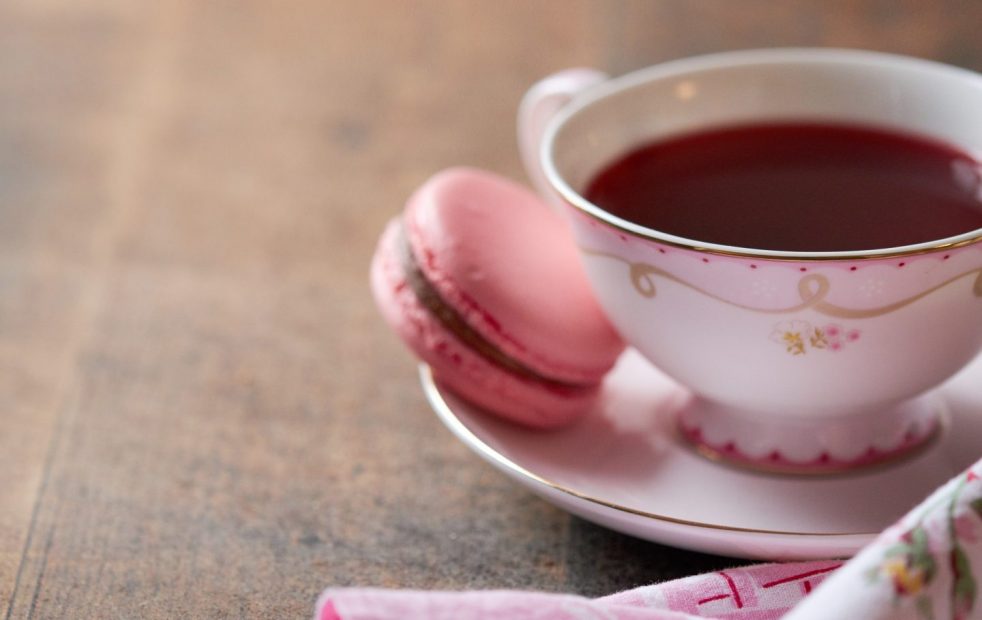
We are sitting at that table, at the cake and coffee lounge.

“Give the child more cake. Why shouldn’t he have more cake?” she smiles with a strain. She’s beautiful, dark and youthful as if her soul never aged; the mask of a low-blow warrior.

“No, its too much, he’s had five.”

“I’m going to give him more. Why shouldn’t he have more? “she insists.

“-Does Dona still post her cake business anymore? I don’t see her statuses anymore,” the ‘steel’-water pacifist cuts in.

I turn and whisper to the teenage boy I met when I was 17. “I didn’t know that he reads statuses, does that mean he actually sees what I write?”

He stares stiffly at me and looks up at the table. We are on one end of the table and we are whispering and someone is leaving in protest, in a civil manner this weekend. The celebration of this precious day has come at such an odd time and yet we still sit here, all together.

“Waiter, my whisky,” he calls to the waiter rushing by.